


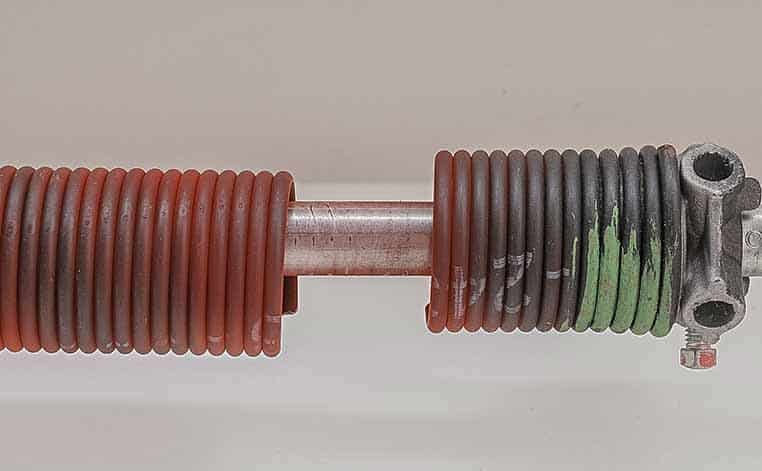
A broken garage door spring can stop your garage door from opening, make it feel unusually heavy, or cause an unsafe closing speed. Knowing the warning signs early helps protect your garage door system and reduces the chance of further damage.
This guide explains the most common signs and what not to do after a spring failure in Savannah, GA. Acting quickly and scheduling garage door spring repair can help restore safe operation and protect your opener and door hardware.
Is a Garage Door Spring Break Dangerous in Savannah, GA?
A broken garage door spring can cause sudden door movement, excessive door weight, and uncontrolled closing force, which is why treating it as a minor issue can quickly increase safety risks.
Common safety risks tied to a spring break include:
- The door can drop faster than expected, raising the chance of serious injury.
- The garage door opener can overload if it tries to lift the door’s weight without spring support.
- Lift cables can loosen or slip, causing the door to pull out of level and damaging hardware.
- A manual lift attempt can fail mid-movement because the door is far heavier than it seems.
- Continued operation can cause further damage across tracks, rollers, and the garage door system.
These risk patterns explain why the door becomes unstable and the opener overloads, which is covered in our blog on How Dangerous Is a Broken Garage Door Spring in Savannah, GA? for homeowners trying to avoid safety mistakes.
Signs of a Broken Garage Door Spring
Loud Bang From the Garage
A loud bang from the garage often signals a broken garage door spring, as stored force releases instantly when the coil snaps under high tension.
Noise patterns that often point to spring failure include:
- Single explosive snap that sounds like a firecracker, not a grinding squeal
- Impact seems to come from above the opening where the torsion hardware sits
- Immediate change in movement, including a stop mid-cycle or refusal to lift
- The opener motor is running while the door stays stuck near the floor
- Follow-up sign of a suddenly heavy door after the sound passes
The International Door Association’s Care & Maintenance guidance encourages homeowners to listen for unusual noises during routine checks, which supports treating a loud bang as a spring-failure warning that deserves immediate inspection.
Garage Door Feels Heavy or Will Not Lift
A sudden heavy lift often signals spring failure because the counterbalance is no longer offsetting the door’s weight, and the load shifts into the lift system.
Lift-weight patterns that often point to a spring issue include:
- Manual lifting requires heavy lifting effort right from the first few inches
- Door refusing to stay open at mid-height because the balance of the door is lost
- Upward motion stalls early, even with a strong force applied
- Opener strain showing up as slow travel, hesitations, or early stop behavior
- Drop-back is happening quickly after release because support is missing
Loss of counterbalance support can overload parts fast, so shutting down the operation helps limit further damage to the garage door system.
Door Opens a Few Inches Then Stops
A door that rises only a few inches often indicates spring failure because the full load is transferred too early, causing the garage door opener to encounter abnormal resistance.
Short-lift patterns that often match spring failure include:
- Initial rise reaching only a few inches before travel stops
- Reversal happens soon after the opener starts the cycle
- The motor continues to run even though the upward movement fails to continue
- Stall point repeating on every attempt, even after a short pause
- Motion turns jerky as resistance increases near the floor
Repeated stalls often signal a broken spring rather than a remote or opener issue, so continued cycling can increase strain and create additional repair needs.
Door Slams Shut or Drops Faster Than Normal
A fast drop during closing often signals spring failure because controlled descent relies on spring support, and the door’s weight can pull it down too quickly after the spring breaks.
Closing-speed patterns that often point to spring trouble include:
- Descent speed is increasing compared to normal daily cycles
- The final section drops abruptly instead of lowering smoothly
- Bottom impact sounds harder and shaking hardware in the opening
- Track vibration increases near the end of travel
- Manual guidance feels difficult to control because the downward pull is aggressive
Accelerated descent can lead to serious injury and property damage, so keeping the door closed and scheduling service can help prevent a sudden drop.
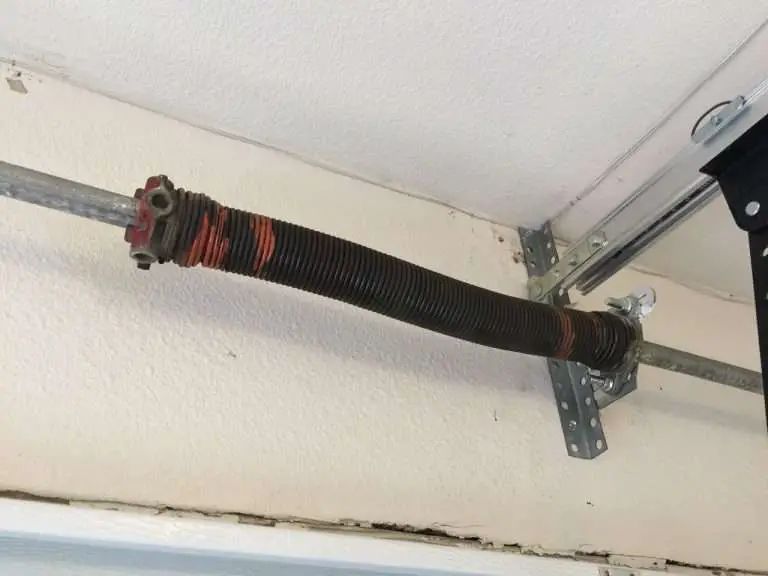
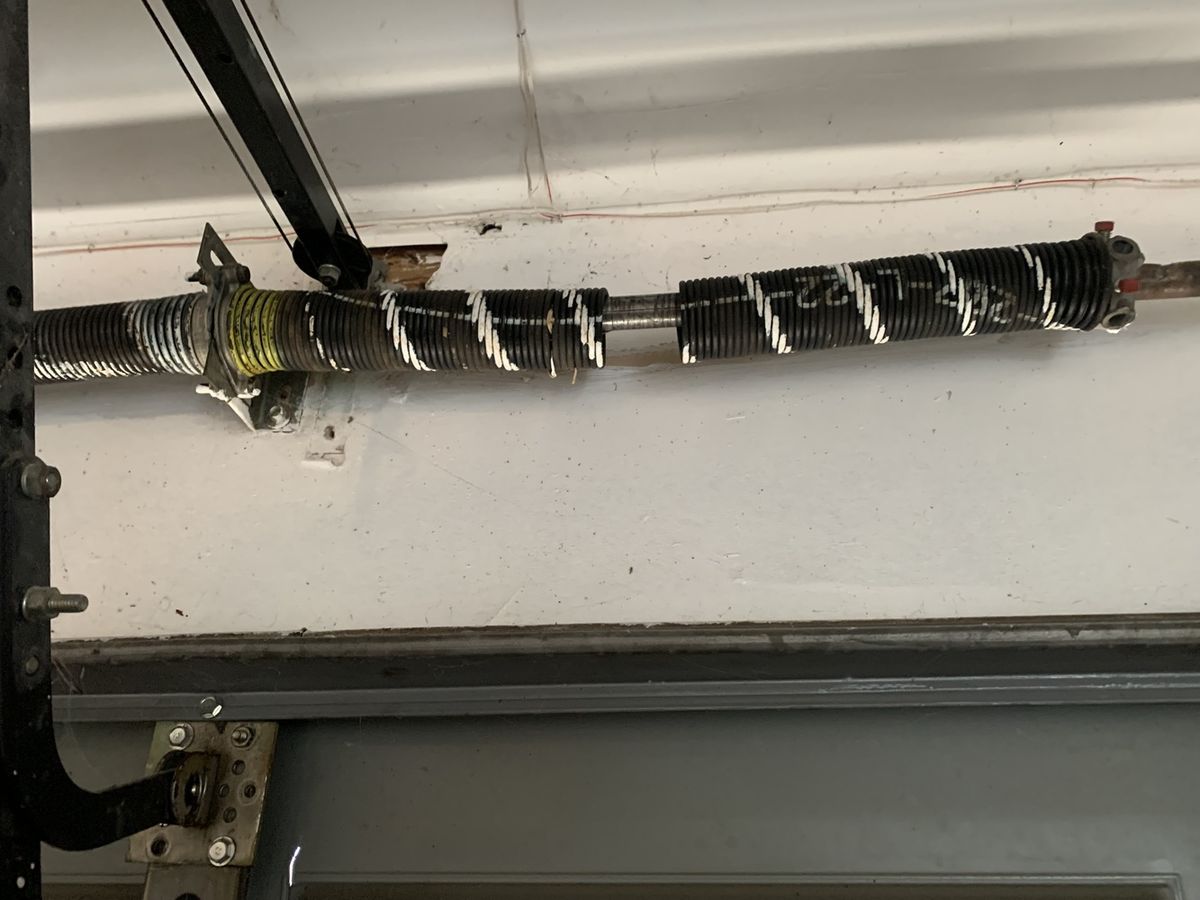
Visible Gap in a Torsion Spring
A visible gap in a torsion spring confirms a broken spring because the coil separates at the break point and loses counterbalance strength immediately.
Visual confirmation signs that often match torsion spring failure include:
- Clean separation in the torsion spring coil above the opening
- Spring appears split into two distinct sections on the torsion tube
- Lift cable slack is showing near one drum due to lost tension
- Crooked travel starts soon after the gap appears
- Door becoming suddenly heavy after the gap is noticed
Clopay notes that a broken torsion spring is often easy to confirm because the coil separates, leaving a visible gap, which supports treating a split spring as a clear failure sign that should not be ignored.
Crooked Door or Uneven Travel
Uneven travel often signals spring failure because cable tension can shift, causing the door to lift out of level and increasing strain on the tracks and lift parts.
Alignment patterns that often point to a spring-related issue include:
- One side lifts higher than the other during opening
- Track rub is developing along one edge during travel
- A cable appearing slack or misaligned near a drum
- Binding mid-travel as the system pulls unevenly
- Opener stopping or reversing due to resistance and misalignment
Uneven lifting usually means the lift system is pulling out of level, and a garage door repair service can address the track, roller, and cable issues that cause crooked travel.
Opener Strains, Hums, or Reverses
Opener strain often signals spring failure because the motor is forced to lift the full door load without proper counterbalance support.
Overload patterns that often point back to a spring issue include:
- Motor humming with minimal movement at the start of travel
- Reversal happens shortly after the cycle begins
- Light flashing after failed close attempts due to resistance sensing
- Rail jerking or vibration occurs as the load increases under the lift force
- Motor sound is turning louder and rougher compared to normal operation
A humming opener with little movement is often a load problem rather than a signal problem, but a garage remote control troubleshooting can help rule out command issues before deeper mechanical work is pursued.
What Not to Do After a Broken Garage Door Spring Event
Do Not Keep Running the Opener Repeatedly
Repeated opener cycles after a broken garage door spring can overload the garage door opener because the motor is forced to move the door’s weight without normal counterbalance support.
Common problems that repeated cycling can trigger include:
- Motor overheating that shortens opener life and can burn internal parts
- Gear wear that turns a spring issue into a full opener repair
- Rail and trolley strain that causes jerky travel and misalignment
- Sensor reversals that repeat because the resistance stays abnormal
- Track and roller stress that increases further damage across the garage door system
Opener cycling under a spring failure can burn out gears and strain the rail, which is exactly when an emergency garage door service becomes the right option for immediate stabilization.
Do Not Pull the Emergency Release With the Door Open
Pulling the emergency release cord while the door is open can cause an uncontrolled drop because the spring support is no longer holding the door up.
Ways the release pull can go wrong include:
- Sudden free-fall can cause serious injury to anyone near the opening
- Door slamming that cracks panels or bends hinges and brackets
- A cable slip that throws the door out of level and jams it in the tracks
- Vehicle damage risk if a car is parked under the door
- Re-engagement trouble that leaves the door stuck and unsafe to operate
Chamberlain Group explains that manual disconnect steps should be performed with the door fully closed whenever possible, to avoid a release pull when the door is raised.
Do Not Attempt to Lift the Door Alone
Lifting a spring-failed door alone can backfire because the door spring is no longer balancing the load, and the lift force required can spike without warning.
Risks tied to solo lifting attempts include:
- Grip loss that lets the broken garage door drop suddenly
- Hand and finger pinch injuries between door sections
- Back and shoulder strain from heavy lifting against the door’s weight
- Crooked lifting that binds rollers in the track and causes further damage
- A door slam impact that can crack panels and trigger major problems
Improvised lifting is rarely a good idea, so using professional help prevents injuries and keeps damage from spreading.
Do Not Adjust Set Screws or Winding Cones
Adjusting set screws or winding cones can be dangerous because the torsion spring stores high tension and can release force instantly if a tool slips.
Mistakes that can happen during DIY spring adjustments include:
- A winding bar slip that causes sudden rotation and impact injuries
- A set screw release that lets the spring unwind violently
- Loss of cable tension that leads to crooked travel and hardware damage
- An incorrect spring type or tension setting ruins the balance of the door
- Hardware failure that creates immediate safety risks and requires more repairs
Leaving set screws and winding cones alone helps prevent sudden spring release, avoidable damage, and serious injury during a broken garage door spring situation.
Broken Garage Door Spring Troubleshooting Checklist
A broken garage door spring can show up through heavy lifting resistance, uneven travel, or opener strain, so a quick check from a safe distance helps confirm the problem without creating further damage
Quick checks that help confirm spring failure include:
- Inspect the torsion spring above the opening for a visible gap or separated coil
- Check extension springs along the tracks for a hanging spring, slack, or broken pieces
- Look for slack lift cables near the drums that suggest lost tension after spring breaks
- Disconnect the opener only if the door is fully closed, then test whether the door feels unusually heavy or drops quickly
- Watch for crooked travel or binding that suggests the garage door system is no longer balanced
- Stop testing immediately if movement feels unstable or resistance spikes
To see how each of these checks helps confirm whether the spring is the actual failure point, read our blog on How to Know if a Broken Garage Door Spring Is the Issue?, as it explains the step-by-step confirmation process homeowners can follow before scheduling service.
Common Causes of a Broken Garage Door Spring in Savannah, GA
A broken garage door spring in Savannah often results from moisture-driven corrosion, frequent daily cycling, and mechanical strain that builds over time until the coil finally fails.
Common causes that push springs toward failure include:
- Coastal humidity and salt air that speed rust and weaken spring steel
- Normal cycle wear from frequent daily use, especially on heavier doors
- Limited regular maintenance that allows friction and wear to build faster
- Incorrect spring sizing or tension that overloads the lift system
- Track misalignment or worn rollers that increase resistance during travel
- Aging hardware on older doors creates uneven loading and faster fatigue
Understanding why springs fail in coastal environments requires looking beyond surface rust and daily use, as covered in our blog on What Causes a Broken Garage Door Spring in Savannah?, which breaks down the environmental and mechanical factors that shorten spring life in this region.
Key Differences Between Garage Door Spring Repair and Replacement
Choosing between garage door spring repair and replacement starts with identifying the type of damage and how it is affecting door movement.
|
Factor |
Garage Door Spring Repair |
Garage Door Spring Replacement |
|
Type of Damage |
Minor adjustments like tension correction or related hardware adjustments |
Complete break, visible coil separation, or metal fatigue |
|
Safety Impact |
Short-term improvement if the spring is still structurally sound |
Restores full counterbalance support after failure |
|
Door Balance |
Can improve balance if misadjustment caused strain |
Resets the balance of the door when a spring has failed |
|
Longevity |
Often shorter-term if wear is already advanced |
Longer-term reliability with a correctly sized new spring |
|
Risk of Further Damage |
Higher if fatigue is present and use continues |
Lower when the correct spring type and tension are installed |
|
Cost Consideration |
Lower immediate spring repair costs for minor issues |
Higher spring replacement costs upfront, but fewer repeat failures |
Comparing both options this way helps homeowners match the service to the actual failure, reduce strain on the opener, and restore normal door operation without repeat issues.
Is Your Garage Door Spring Broken? Get Professional Help From a Trusted Team
If you suspect a broken garage door spring, stop using the opener and avoid lifting the door, since continued operation can increase strain on the garage door system and lead to further damage. A quick visual check and the do-not list in this guide help you recognize the most common failure signs and avoid the mistakes that cause bigger problems.
Elite Overhead Garage Doors helps Savannah, GA, homeowners restore safe, reliable door operation through spring inspection, proper sizing, and comprehensive system testing. For broken spring service, garage door service, or expert garage door repair, contact us or give us a call today so we can get your door working normally again.