


Why Garage Door Installation Problems Rarely Show Up Right Away
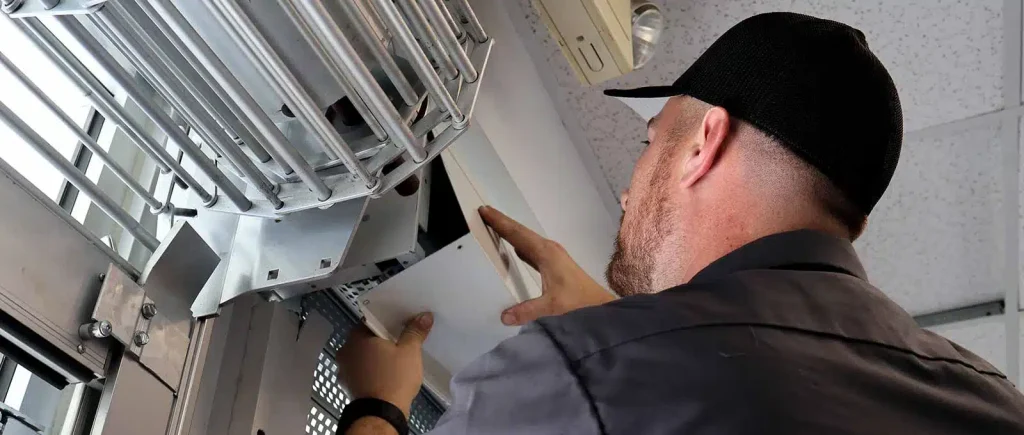
Garage door installation often appears successful when the door opens, closes, and responds to controls as expected during the first few days of use. This early performance can create confidence that the system was installed correctly, even when important setup details were missed. Many installation-related issues develop slowly, which explains why problems often remain hidden during the initial period after installation.
Over time, small oversights begin to affect how the door moves, sounds, and responds to daily use. What once felt smooth can turn noisy, uneven, or unreliable, eventually leading to garage door repair or unexpected emergency garage door service. Understanding why these problems take time to manifest clarifies the link between installation quality and long-term performance.
Early Operation Can Mask Deeper Installation Issues
New garage door systems often perform well because all components are unused and under minimal stress. Fresh hardware, clean tracks, and new springs allow movement even when alignment or balance is slightly off. This early flexibility makes it difficult to detect hidden problems during initial testing.
As the door cycles repeatedly, minor errors begin to compound. Small misalignments or imbalances that were once tolerable start to create friction and uneven wear, which gradually reduce reliability and increase maintenance needs.
Find out which critical factors homeowners often fail to consider during garage door installation and how those oversights affect long-term results by reading: Most Important Factors Homeowners Fail To Consider During Garage Door Installation.
New Components Tolerate Minor Errors At First
New parts can compensate for minor installation errors during early operation. Rollers glide smoothly, springs lift efficiently, and openers respond quickly.
- Fresh rollers move easily despite slight track misalignment
- New springs temporarily handle imbalance without visible strain
- Clean tracks reduce friction even when spacing is imperfect
- Motors operate efficiently before internal wear begins
This tolerance creates a false sense of success. Once parts begin to wear, those early mistakes become more noticeable and harder to correct.
Over time, what seemed like a flawless installation reveals stress points that only appear after repeated use.
Learn how decisions made during garage door installation influence long-term performance, balance, and durability by reading: How Garage Door Installation Choices Shape Long-Term Performance.
Initial Testing Does Not Reflect Long-Term Use
Many installations are tested only a few times before being considered complete. These short tests do not reflect how the door behaves after weeks or months of daily operation.
- Limited cycle testing misses gradual alignment drift
- Short tests fail to expose vibration-related loosening
- Balance issues may not appear until the springs settle
- Noise often develops only after lubrication shifts
Testing under limited conditions provides incomplete information. Long-term reliability depends on how the system performs after components settle into regular use.
Explore how installation mistakes can evolve into ongoing repairs that create repeated inconvenience and added costs by reading: When Garage Door Installation Mistakes Turn Into Ongoing Repairs.
Balance Problems Develop Gradually
Door balance plays a critical role in long-term performance, yet balance issues often remain hidden immediately after installation. Springs may lift the door adequately at first, even when they are not perfectly matched to the door’s weight.
As springs cycle and lose slight tension, the imbalance becomes more noticeable. This gradual change places increasing strain on the opener and other components.
Springs Settle After Installation
Springs often adjust slightly after installation as they begin regular movement. This settling process can reveal an imbalance that was not obvious during initial testing.
- Tension may shift unevenly between paired springs
- Slight miscalculations in spring strength become apparent
- Doors may begin drifting when partially open
- Opener effort increases as balance declines
These changes often occur weeks after installation, which delays detection. Balance issues that appear later are frequently mistaken for wear rather than an installation error.
Achieving a correct balance from the start reduces strain and stabilizes performance over time.
Opener Strain Builds Slowly
When the balance is off, the opener compensates by working harder. This extra effort rarely causes immediate failure but accelerates internal wear.
- Motors heat up faster under increased load
- Drive components experience higher resistance
- Force settings are pushed closer to unsafe levels
- Opener lifespan shortens gradually
Because the opener continues to function, homeowners may not notice the issue until performance declines significantly.
Track Alignment Issues Emerge Over Time
Track alignment problems often take time to surface because slight misalignment does not always stop the door from moving. Early movement may appear smooth even when tracks are not perfectly parallel or level.
Repeated cycling gradually increases friction and uneven wear, eventually degrading performance.
Small Alignment Errors Compound With Use
Even minor alignment issues create uneven pressure on rollers and tracks. Over time, this pressure changes how the door moves.
- Rollers wear unevenly on one side
- Tracks develop polished or grooved areas
- Door movement becomes louder with use
- Vibration increases during operation
These symptoms often appear months after installation. At that point, correcting the alignment may require additional garage door repair.
Early precision during installation prevents gradual deterioration.
Fasteners Loosen Gradually From Vibration
Track fasteners and brackets experience constant vibration during operation. If they are not secured properly during installation, movement occurs slowly.
- Bolts may loosen without obvious signs
- Brackets can shift slightly out of position
- Track spacing changes over time
- Door movement becomes inconsistent
This gradual change explains why some doors require garage door off-track adjustment long after installation.
Environmental Factors Accelerate Hidden Issues
Environmental conditions significantly affect the rate at which installation issues become apparent. Factors such as temperature changes, moisture levels, and debris accumulation can affect the components of the garage door system in different ways, depending on the installation quality. Consequently, issues that might remain hidden and undetected under mild conditions can manifest rapidly when subjected to environmental stressors.
Temperature Changes Affect Metal Components
Metal expands and contracts with temperature fluctuations. Installations that do not allow for this movement often develop problems later.
- Tracks may bind during extreme temperature changes
- Springs respond differently as metal properties shift
- Clearances become tighter or looser seasonally
- Noise increases during temperature transitions
These effects build gradually and are rarely linked back to installation decisions. Proper allowances during installation reduce seasonal stress.
Moisture And Debris Expose Weak Points
Garages exposed to moisture or dust experience faster wear. Poor installation choices allow these elements to create problems sooner.
- Moisture accelerates corrosion at fasteners
- Debris collects in poorly aligned tracks
- Sensors become unreliable near the floor buildup
- Rust weakens springs and brackets
Environmental exposure reveals installation weaknesses that may not be apparent under controlled conditions.
Safety System Problems Appear After Repeated Use
Safety systems often perform correctly during initial testing, even when alignment or wiring is suboptimal; however, over time, factors such as vibration and environmental changes can significantly affect their reliability. As a result, inconsistent safety performance tends to develop gradually rather than manifest immediately.
Sensor Alignment Shifts Over Time
Sensors mounted without proper stability may drift out of alignment. This movement happens slowly and unpredictably.
- Vibration loosens mounting hardware
- Wiring tension pulls sensors out of position
- Floor movement affects alignment height
- Intermittent failures increase frustration
Early testing may not reveal these issues. Long-term reliability depends on stable installation.
Force Settings Become Less Safe Gradually
Force settings that are slightly too high may not cause immediate concern. Over time, they mask mechanical resistance rather than address it.
- Increased force hides alignment issues
- Safety margins decrease without notice
- Obstruction response weakens gradually
- Emergency garage off-track repair becomes more likely
Proper force calibration during installation protects safety in the long term.
Maintenance Gaps Delay Problem Detection
Garage door maintenance often begins only after problems become apparent, and installation-related issues that develop gradually may go unnoticed without routine checks, allowing small problems to escalate into larger, more significant issues.
Early Maintenance Would Reveal Installation Errors
Routine inspection shortly after installation often reveals subtle issues.
- Slight imbalance becomes noticeable during testing
- Early track wear indicates alignment problems
- Fastener movement can be detected early
- Sensor inconsistency appears under varied conditions
Without maintenance, these signs remain hidden until failure occurs.
Delayed Attention Increases Repair Complexity
Problems that are simple early often become complex later.
- Minor adjustments turn into component replacement
- Wear spreads across multiple parts
- Repair costs increase over time
- Emergency service becomes more likely
Early attention reduces long-term disruption.
Why Installation Problems Feel Sudden Later
When installation problems finally manifest, they often arise suddenly, catching homeowners off guard. However, in reality, these issues have been developing gradually and insidiously since installation, often going unnoticed until they become significant. The considerable delay between the initial cause and the eventual effect makes diagnosing these problems more difficult and complex.
Gradual Wear Creates Sudden Failure
Wear accumulates quietly until a threshold is reached.
- Springs fail after long periods of imbalance
- Rollers break after extended uneven loading
- Tracks bend after repeated stress
- Openers stop working after prolonged strain
The final failure feels sudden, even though the process was gradual.
Installation Choices Shape Long-Term Outcomes
Every installation decision influences how the system ages.
- Accurate setup slows wear
- Poor alignment accelerates failure
- Balanced systems remain stable longer
- Careful installation reduces emergency needs
Long-term performance reflects early choices.
Why Early Quality Matters More Than Early Performance
A garage door that works on day one does not guarantee long-term reliability. Quality installation focuses on durability, not just immediate function.
Problems that appear later often trace back to overlooked details.
Short-Term Success Can Be Misleading
Immediate operation confirms only the basic function.
- It does not confirm balance accuracy
- It does not test long-term alignment stability
- It does not reflect environmental stress
- It does not reveal vibration effects
Long-term success requires deeper evaluation.
Long-Term Reliability Depends On Installation Discipline
Careful installation reduces future garage door repair needs.
- Balanced systems protect openers
- Aligned tracks reduce wear
- Stable sensors improve safety
- Proper planning simplifies maintenance
Discipline during installation pays off over time.
How Installation Issues Become Maintenance Problems
When installation problems surface later, they often appear as maintenance or repair needs. The original cause may be overlooked.
Understanding this connection helps explain recurring service calls.
Maintenance Addresses Symptoms, Not Always Causes
Maintenance often focuses on restoring function, which is crucial for ensuring that the garage door operates smoothly and efficiently over time.
- Lubrication reduces noise temporarily
- Adjustments improve movement briefly
- Repairs replace worn parts
- Root causes may remain
Without addressing and correcting installation issues that may arise during garage door installation, it is highly likely that these problems will recur over time, causing further complications and inconveniences for the homeowner.
Installation Quality Sets Maintenance Frequency
Better installation reduces maintenance frequency.
- Proper alignment slows wear
- A correct balance protects components
- Stable mounting prevents drift
- Thoughtful setup supports longevity
Installation quality shapes the entire ownership experience.
How Installation Problems Finally Become Obvious
Installation problems become obvious when performance changes affect daily use. Noise, hesitation, or failure disrupts routines.
At this point, correction is often more involved.
Performance Changes Draw Attention
Signs that installation problems have surfaced include:
- Increased noise during operation
- Uneven movement or jerking
- Door drifting when partially open
- Repeated safety sensor issues
These signs reflect long-term effects rather than sudden mistakes.
Repairs Become More Involved Over Time
Delayed correction allows minor issues to compound over time, increasing system complexity and making future adjustments far more difficult to resolve effectively.
- Multiple components may need adjustment
- Wear spreads across the system
- Repair costs increase
- Downtime becomes disruptive
Early installation quality minimizes these outcomes.
How Overlooked Details Shape Long-Term Reliability
Garage door installation problems rarely manifest immediately because systems are designed to tolerate minor errors temporarily. Over time, wear, environment, and repeated use reveal those errors.
Understanding this timeline explains why problems seem sudden.
Installation Is A Long-Term Investment
Installation decisions affect years of operation.
- Good choices support stability
- Poor choices accelerate failure
- Attention to detail matters
- Patience during setup pays off
Long-term thinking improves outcomes.
Why Awareness Changes Expectations
Being aware of how a garage door functions and knowing that problems develop slowly encourages better evaluation.
- Early inspections become more valuable
- Maintenance becomes proactive
- Installation quality gains importance
- Emergency service becomes less common
Awareness supports smarter decisions.
How Early Installation Decisions Shape The Future
Garage door installation sets the foundation for everything that follows, and problems that appear months or years later often reflect choices made during setup; when installation focuses on precision and durability, the system ages more gracefully.
The Value Of Careful Setup
Careful installation protects every component.
- Balance reduces strain
- Alignment prevents wear
- Stability supports safety
- Planning simplifies maintenance
These advantages tend to increase and become more noticeable as time progresses and the installation continues to settle.
Trusted Garage Door Installation
Understanding why problems take time to appear helps explain many common frustrations associated with garage door installations. Often, homeowners expect immediate performance without considering the long-term implications of their installation choices. Installation quality matters long after the first successful test.
When early decisions prioritize long-term performance, garage door systems remain reliable and safer for years to come. Taking the time to select quality materials and skilled installers pays off in the end. Investing in proper installation techniques and components not only enhances the door’s functionality but also reduces the risk of future issues.
Elite Overhead Garage Doors delivers dependable garage door solutions designed for properties throughout Savannah, GA. Services include professional installation, responsive repairs, and routine maintenance focused on reliability and security. Skilled technicians ensure each service is completed correctly and efficiently. Trusted products are used to support long-lasting results.
Contact us today or give us a call for expert garage door services in Savannah.
Frequently Asked Questions
Why do garage door installation problems often stay hidden at first?
Many installation issues do not prevent the door from operating immediately, making them difficult to detect early. We often see doors operate smoothly at first while small alignment or balance issues quietly develop. These hidden stresses only become obvious after repeated daily use.
How can a garage door appear to be fine even when it was installed incorrectly?
A garage door can open and close even when slightly misaligned or unbalanced. We find that these small errors do not always cause immediate failure. Over time, however, they place continuous strain on springs, rollers, and the opener.
Why does repeated daily use expose installation mistakes?
Each opening and closing cycle adds stress to the system. We often see installation errors worsen as components are forced to compensate for poor setup. Daily use gradually turns minor flaws into noticeable performance problems.
How does improper balance take time to show symptoms?
A slightly unbalanced door may still move without hesitation at first. We find that the imbalance slowly increases wear on springs and openers rather than causing instant failure. Symptoms often appear weeks or months after installation.
Why do track alignment issues develop gradually?
Tracks that are slightly off may still guide the door initially. We often see rollers begin to wear unevenly as friction increases over time. Noise, scraping, or off-track issues usually appear later.
How does a rushed installation delay the detection of visible problems?
Rushed installations often skip fine adjustments, thorough testing, and garage door provisions. We find that skipped steps initially allow hidden issues to remain undetected. These problems surface later once components are under sustained use.
Why do opener problems appear after installation rather than immediately?
Openers are designed to tolerate some resistance in the short term. We often see motors compensate for added strain caused by poor installation. Over time, that strain leads to slower operation or opener failure.
How do environmental changes reveal installation flaws?
Changes in temperature and humidity affect metal expansion and contraction. We find that doors installed without accounting for these factors begin to shift or bind. Seasonal changes often expose alignment and balance issues.
Why are early warning signs easy to ignore?
Small noises or slight changes in movement can seem insignificant at first. We often see homeowners adapt to these changes without realizing they indicate a deeper issue. Ignoring early signs allows problems to progress unnoticed.
Why do installation problems become costly once they finally appear?
By the time issues are visible, multiple components are often affected. We find that hidden stress spreads wear across the system before symptoms appear. Early installation errors can lead to larger repairs once problems surface.