


Most Important Factors Homeowners Fail To Consider During Garage Door Installation
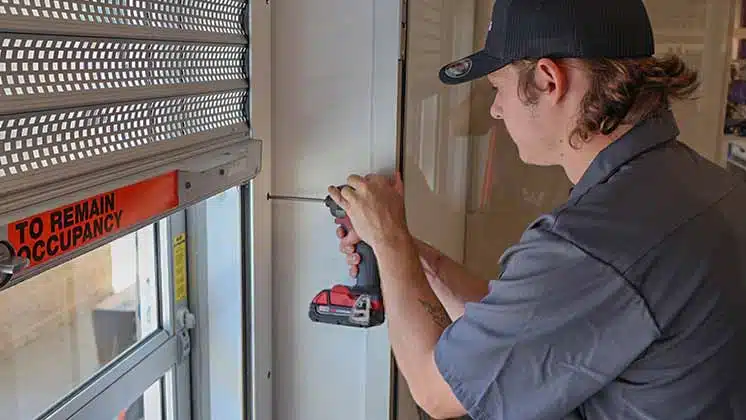
Garage door installation is often treated as a single task that ends once the door opens and closes for the first time. This initial success can create the impression that everything was done correctly, even when critical setup details were overlooked. Over time, overlooked details often manifest as uneven movement, increasing noise, or unexpected service needs not anticipated during installation.
Many long-term issues in garage door repair and maintenance can be traced to early decisions made during installation. Small missteps, such as rushed measurements or incomplete adjustments, gradually degrade performance and safety. Understanding what homeowners commonly overlook during garage door installation helps explain why some residential garage door systems perform reliably for years, while others require repeated attention.
Planning Beyond The Door Itself
Proper garage door installation requires more planning than simply choosing a door style and scheduling a setup date. Planning should include a careful review of the opening, the surrounding structure, and how the door will be used daily. When planning focuses only on appearance, important mechanical and structural factors often receive less attention than they deserve.
A complete planning process reduces the likelihood of early garage door repair by identifying challenges before installation begins. Decisions made at this stage affect how smoothly the system operates and how often garage door maintenance is required.
Learn why many garage door installation problems stay hidden at first and only surface after months of use by reading: Why Garage Door Installation Problems Rarely Show Up Right Away.
Measuring The Opening With Greater Accuracy
Accurate measurement is one of the most overlooked aspects of garage door installation, especially when homeowners rely on old measurements or rough estimates. Even small variations in width, height, or clearance can affect track alignment and spring performance.
- Measurements should be taken at several points along the width to identify framing irregularities
- Height should be checked at both sides of the opening to confirm consistency
- Headroom clearance determines which spring and opener options are appropriate
- Side clearance affects track spacing and hardware placement
Careful measurement ensures components fit without requiring later adjustments. When measurements are rushed or assumed, installers often compensate during setup, which introduces unnecessary stress into the system.
After measurements are verified, reviewing them against manufacturer specifications ensures compatibility. This extra step prevents last-minute changes that compromise installation quality.
Explore how the choices made during garage door installation directly influence long-term performance, reliability, and wear by reading: How Garage Door Installation Choices Shape Long-Term Performance.
Accounting For Structural Variations In The Garage
Garage structures are rarely perfectly square, particularly in older homes where settling and framing changes occur over time. Walls may lean slightly, floors may slope, and headers may not sit perfectly level.
Ignoring these structural realities often results in doors that rub, bind, or drift during operation. Installation should adapt to the structure rather than forcing the door to compensate for imperfections.
Evaluating framing conditions before installation enables careful planning of adjustments. This preparation helps prevent alignment issues that only appear after repeated use.
Find out when small installation mistakes turn into recurring repairs that cost more over time by reading: When Garage Door Installation Mistakes Turn Into Ongoing Repairs.
Door Weight And Balance Are Commonly Underestimated
Door weight plays a critical role in how a garage door system performs over time. Heavier doors require stronger springs, reinforced tracks, and precise balance to move safely and smoothly. Homeowners often focus on design features without fully considering how weight affects performance.
A well-balanced door reduces strain on the opener and minimizes wear on moving parts. Poor balance increases the likelihood of emergency garage door service and shortens the lifespan of key components.
Selecting Springs That Match Actual Door Weight
Springs counterbalance the door’s weight, allowing controlled movement during opening and closing. When spring strength does not match the door’s true weight, problems develop quickly and worsen over time.
- Weak springs force the opener to lift more weight than intended
- Overpowered springs cause the door to lift too aggressively and close unevenly
- Uneven spring tension leads to crooked movement and track stress
- Incorrect spring selection accelerates wear on cables and rollers
Matching springs to the door’s actual weight ensures smooth operation. Balance testing during installation confirms that spring strength is correct before the opener is engaged.
Proper spring selection also improves safety by ensuring the door can remain stationary when partially open, reducing the risk of sudden movement.
Testing Door Balance Before Connecting The Opener
Balance testing should always occur before the opener is fully connected to the door, as this step confirms that the door moves freely under its own weight without assistance. Skipping this critical step often hides problems that may go unnoticed until the opener shows signs of strain. Once these issues are detected later, correcting the balance may require additional labor and parts, which can be inconvenient and costly. Testing the balance early not only protects the opener but also simplifies future garage door maintenance by establishing a stable baseline that helps avoid complications.
Track Alignment Requires Precision, Not Visual Judgment
Tracks guide the door’s movement and absorb much of the system’s mechanical force. While tracks may appear straight to the eye, small alignment errors create long-term wear patterns that affect performance.
Track alignment influences noise levels, roller wear, and overall system stability. Proper alignment requires measurement and verification, not visual estimation.
Ensuring Tracks Are Parallel And Level Throughout
Tracks must remain parallel to one another and level along their length to support smooth movement. Even slight deviations cause rollers to bind or climb the track.
- Vertical tracks must be plumb to prevent side pressure on rollers
- Horizontal tracks require a consistent slope to guide the door safely
- Curves should transition smoothly without sharp angles
- Brackets must anchor securely to structural framing
Precise track placement supports even weight distribution across the system. Over time, this precision reduces vibration and lowers maintenance requirements for the garage door.
Securing Tracks Against Long-Term Vibration
Loose track fasteners, which allow gradual movement during daily operation, pose a significant risk because the vibration from repeated cycles can slowly pull the tracks out of alignment. To prevent this issue, reinforced mounting and proper fastener torque are essential. These measures not only help prevent drift but also reduce the need for future off-track adjustments, ensuring stable tracks maintain predictable door movement throughout their operation.
Opener Compatibility Is Frequently Assumed
Garage door openers are often selected for convenience or brand familiarity rather than compatibility with the door. Not all openers are designed to handle the same weight, size, or usage patterns.
An incompatible opener struggles under load, increasing wear across the system. Careful selection during garage door installation avoids unnecessary stress and early failure.
Matching Opener Strength To Door Requirements
Openers are rated for specific weight ranges and duty cycles. Installing an underpowered opener on a heavy door causes repeated issues.
- Insufficient motor power causes jerky movement and overheating
- Overuse shortens motor lifespan
- Excess force settings hide balance issues rather than fixing them
- Repeated strain increases garage door repair frequency
Proper matching ensures the opener supports the door rather than compensating for poor balance or alignment.
Adjusting Travel Limits And Force Settings Correctly
Limit and force settings are critical for controlling how far the garage door moves and how it responds to resistance during operation; if these settings are incorrect, the door may stop short of its intended position or, conversely, push too hard against its endpoints. By making careful adjustments to these settings, you can effectively protect the various components of the garage door system, including the panels, tracks, and springs, which are all vital for proper functionality. Moreover, ensuring the settings are correct not only guarantees smooth garage door operation but also significantly reduces safety risks associated with its use.
Safety Features Are Often Treated As Secondary
Safety systems are designed to protect people, vehicles, and property, yet they often receive minimal attention once the basic operation is confirmed, which can lead to significant oversights. Reliable safety features necessitate careful placement, thorough testing, and meticulous verification to ensure their effectiveness. Overlooking these critical steps can significantly increase accident risk and may lead to emergency situations requiring off-track garage door repairs, which can be both inconvenient and costly.
Installing And Aligning Safety Sensors Properly
Safety sensors must remain precisely aligned and unobstructed. Small shifts during installation lead to inconsistent performance.
- Sensors should be mounted at the correct height above the floor
- Wiring must remain secure without tension
- Alignment should be tested under different lighting conditions
- Mounts should resist vibration over time
Proper sensor installation ensures consistent protection. Reliable sensors reduce unexpected interruptions and improve safety.
Verifying Force Sensitivity Under Real Conditions
Force sensitivity determines how the door responds to resistance. Incorrect settings allow the door to push through obstacles rather than stop safely. Testing should include realistic resistance scenarios. Proper calibration balances safety with smooth performance.
Long-Term Maintenance Access Is Often Overlooked
Garage door installation should account for future service needs. Limited access to components complicates garage door maintenance and increases service time. Installation choices that block access often lead to shortcuts during later repairs. Planning for maintenance supports system longevity.
Leaving Space For Inspection And Adjustment
Springs, tracks, and openers require space for inspection and adjustment. Tight installations restrict movement and visibility.
- Clear access to springs allows safe inspection
- Opener placement should permit service without removal
- Track brackets should remain reachable
Accessible installations encourage routine care and reduce service difficulty.
Documenting Installation Details For Future Reference
Understanding how a garage door works helps future technicians assess the installation. Missing information increases guesswork during garage door repair. Recording spring sizes, opener models, and track configurations improves consistency. Documentation supports better long-term maintenance decisions.
Environmental Factors Affect Installation Outcomes
Environmental conditions influence how garage door systems age. Changes in temperature, moisture, and debris all affect wear patterns. An installation that ignores the environment often leads to early failure. Adapting the installation to conditions improves durability.
Allowing For Temperature Expansion And Contraction
Metal components expand and contract with temperature changes. Installation should allow movement without binding. Clearances and spacing must accommodate seasonal shifts. Proper allowances prevent noise and misalignment.
Managing Moisture And Debris Exposure
Garages exposed to moisture or debris require added protection. Rust and buildup accelerate wear. Protective finishes, drainage considerations, and regular cleaning reduce deterioration. Environmental awareness supports long-term performance.
Final Verification And Testing Matter More Than Expected
Final testing confirms that all components work together correctly, ensuring that the entire system functions as intended. However, rushed installations often skip the thorough verification process once basic movement is achieved, leading to potential issues. Comprehensive testing reveals issues that may only manifest during repeated cycles, highlighting the importance of rigorous validation.
Running Multiple Full-Cycle Tests
Doors should be tested by repeatedly opening and closing them. Repetition exposes inconsistencies.
- Observe movement at different speeds
- Listen for unusual sounds
- Watch for hesitation or vibration
- Check balance at partial openings
Cycle testing ensures stability beyond first use.
Confirming Safe Manual Operation
Manual operation tests the garage door’s balance without an opener and validates proper setup of both the spring and the track. Furthermore, manual testing ensures the door can be safely operated during power loss, making it a necessary procedure. Therefore, reliable manual operation is not only essential for the door’s functionality but also significantly contributes to overall safety.
The Lasting Impact of Getting Garage Door Installation Right
Garage door installation involves more than attaching a door to an opening. Planning, measurement, balance, alignment, and safety systems all influence long-term performance. Overlooking these elements often leads to repeated garage door repairs and increased maintenance needs.
Careful installation creates a foundation for reliability and safety. When attention is paid to details that are often overlooked, residential garage door systems operate more smoothly and require fewer emergency interventions over time.
Elite Overhead Garage Doors provides reliable garage door services tailored to the needs of homes and businesses in Savannah, GA. Installation, repair, and maintenance services focus on safety, smooth operation, and long-term durability. Experienced technicians handle emergency repairs and scheduled upgrades with care and precision. Quality materials and proven products support dependable performance.
Contact us today or give us a call to schedule professional garage door service in Savannah.
Frequently Asked Questions
What critical installation details do homeowners often overlook at the beginning?
Homeowners often focus on how the garage door looks rather than how precisely it is installed. We frequently see alignment, balance, and system setup treated as secondary concerns. These overlooked details strongly influence long-term safety and performance.
Why is proper garage door balance commonly missed during installation?
A door can appear functional even when it is slightly unbalanced. We find that homeowners assume smooth movement means correct balance, which is not always true. Improper balance quietly increases strain on springs, cables, and openers over time.
How does track alignment get underestimated during installation?
Tracks must be perfectly straight, level, and securely mounted to guide the door correctly. We often see small alignment errors ignored because the door initially moves. Those minor issues typically develop into noise, binding, or off-track problems later.
Why do homeowners overlook correct spring selection?
Garage door springs must match the exact weight and size of the door. We find that incorrect spring selection is one of the most common installation mistakes. This oversight leads to poor performance and shortened component lifespan.
How does hardware quality affect long-term results?
Brackets, hinges, and fasteners endure constant movement and vibration. We often see long-term issues when low-quality or improperly secured hardware is used. Strong, well-installed hardware helps maintain stability and reduces future repairs.
Why is opener compatibility frequently missed?
Not every garage door opener is suitable for every door type or weight. We find that mismatched openers operate less efficiently and wear out faster. Proper compatibility ensures smoother operation and protects the opener system.
How does skipping safety feature calibration create problems?
Safety sensors and force settings must be adjusted precisely during installation. We often see doors reverse unexpectedly or fail to stop when calibration is rushed or skipped. Proper setup is essential for safe and predictable operation.
Why do homeowners underestimate the importance of final testing?
Final testing confirms balance, smooth movement, and correct safety response. We find that skipping thorough testing allows small issues to remain hidden. Those issues often surface later as avoidable service calls.
How do environmental factors get overlooked during installation?
Changes in temperature, humidity, and structural conditions can affect alignment and materials. We often see doors installed without accounting for expansion, moisture, or framing shifts. These factors influence long-term stability and performance.
Why do small installation oversights lead to bigger problems later?
Small errors create continuous stress during everyday operation. We find that this stress accumulates gradually until components fail prematurely. Paying attention to detail during installation helps prevent costly, disruptive issues later.