


How Garage Door Maintenance Helps Your Door Adapt to Seasonal Weather Changes
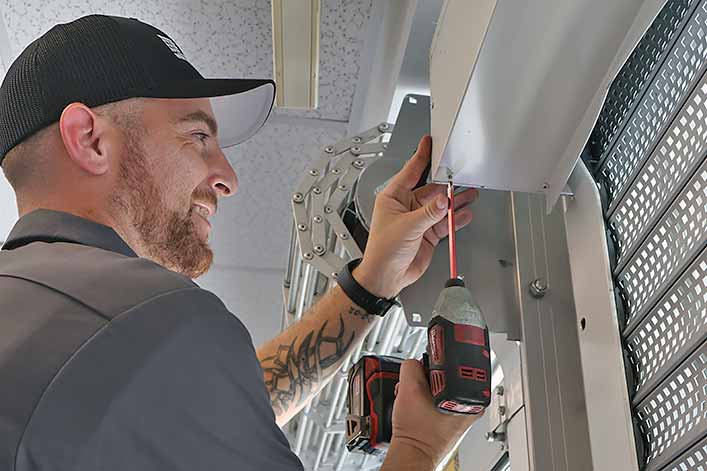
Your garage door system is constantly exposed to changing weather conditions throughout the year, which can affect its performance. Heat, cold, moisture, and humidity all place stress on different components at different times. Scheduling regular garage door maintenance helps ensure the system continues to function properly regardless of seasonal changes. Routine inspections allow small adjustments to be made before weather-related issues impact performance.
Seasonal care plays an important role in extending the life of your garage door and its moving parts. Temperature changes can cause materials to expand or contract, leading to misalignment, increased friction, or worn components. By addressing these issues early, you reduce the risk of unexpected breakdowns and help your garage door remain reliable, safe, and durable year-round.
The Importance of Seasonal Garage Door Maintenance
Seasonal garage door maintenance is essential for keeping your system operating smoothly and extending its lifespan. Each season brings different challenges, from temperature changes to moisture and debris, that can affect how the door performs. By checking for signs of wear early, you can address minor issues before they develop into expensive repairs or unexpected breakdowns.
Maintaining components such as weatherstripping, rollers, and garage door tracks also improves overall efficiency. Proper sealing reduces drafts and improves temperature control in the garage, helping lower energy costs. Staying consistent with seasonal care provides peace of mind, knowing your garage door is prepared to handle changing weather conditions while remaining safe and reliable.
Get a closer look at the potential safety risks that can develop when a garage door goes without regular maintenance by reading: How Safe Is Your Garage Door Without Regular Maintenance?
Effects of Local Climate on Garage Door Performance
The local climate can significantly affect how your garage door operates. When temperature and humidity fluctuate, the garage door parts will expand or contract. In hot summer conditions, metal parts will grow. This can cause the garage door parts to rub more and put more strain on the entire system. As a result, you may experience smooth operation, and the door may not work properly.
When winter comes, and it’s cold, those same metal parts contract. This can cause your garage door to move more slowly or become misaligned if you don’t take care of it.
When the air is humid, the risk of rust and metal damage is much higher. Over time, this damages garage door components and can weaken them. The weather stripping on your garage door can also wear down in extreme weather. It can harden, crack, or lose its seal, which can prevent your garage door from operating properly.
All of these issues make it hard for your garage door to open and close as intended. That’s why changing things season by season is key for smooth operation and optimal performance. When you understand how weather affects your door and weatherstripping, you can take the necessary steps to keep it working well.
See how consistent garage door maintenance helps minimize structural wear on springs, rollers, and tracks over time by reading: How Garage Door Maintenance Slows Structural Wear on Springs, Rollers, and Tracks.
Why Adapting to Weather Changes Matters
Updating your garage door as the weather changes is essential. It improves your home’s energy efficiency and helps you avoid higher utility bills. If your garage door has damaged or worn weather seals, heated or cool air can get out easily. This makes your HVAC system work harder to keep the right temperature. When that happens, your energy bills go up. A good seal keeps the garage and your home warmer or cooler, so rooms stay comfortable.
If you leave your garage door unattended between seasons, minor issues can lead to costly repairs later. Small gaps in weather seals, for example, allow water to enter and cause damage to your door and the contents of your garage. Failing to address other minor issues can put more strain on the opener or springs. This can cause them to wear out faster and require repairs sooner.
Extreme weather, such as high temperatures or heavy ice buildup, can further damage your garage door. Heat can bend or warp certain door parts. A hot day can also make the motor work too hard. Ice accumulation during winter can freeze the door to the ground. This damages the bottom seal and the motor when you try to open the door.
Taking care of your weather seals and checking for ice buildup can help avoid water damage and help your garage door last longer. This way, you get better energy efficiency and save money on costly repairs.
Learn why ongoing garage door maintenance plays a vital role in preserving long-term safety, reliability, and performance by reading: Why Garage Door Maintenance Matters for Long-Term Safety and Performance.
Common Issues Caused by Neglected Maintenance
If you do not perform routine maintenance on your garage door, you will encounter many problems that could be avoided. Over time, you may face costly repairs. When you neglect the moving parts, they can wear out much faster. This places excessive strain on the garage door system, which can fail.
You may hear excessive noise when your garage door moves or notice jerking as it opens and closes. Rust spots can also appear over time, signaling wear that should not be ignored. These issues often indicate the need for professional service, which may include mechanical adjustments and garage door keypad repair if access controls are no longer responding correctly.
If these problems are left unaddressed, they can lead to water damage, failed seals, or a system that stops working altogether. This is why it is important to have a qualified garage door professional inspect the system and address issues early. In the following sections, we will cover additional problems that can develop when routine checks are skipped or outdated parts remain in use.
Problems from Missed Inspections
Neglecting regular checks on your garage door can allow major problems, such as an unbalanced door, to go unnoticed for a long time. An unbalanced door places excessive stress on the opener, springs, and cables, causing these components to wear out faster and potentially leading to sudden, costly repairs. While you might initially overlook this issue, it tends to worsen over time.
Minor problems, such as rust spots or slightly loose roller brackets, can also escalate if not addressed promptly. Rust weakens metal parts until they fail, and a loose roller bracket can cause a roller to pop out of its track, leaving your door stuck and unable to open or close. Most of these issues can be detected with a quick visual inspection.
However, many garage door problems require proper training and specialized tools to identify and fix correctly. That’s why regular inspections by a trained professional are so valuable. A skilled technician knows what to look for and can detect issues that others might miss, preventing minor problems from developing into serious safety hazards or costly malfunctions.
Find out how regular inspection and proper upkeep can reduce the risk of garage door injuries and malfunctions by consulting maintenance resources from StaySafe.org.
Risks of Worn Components and Improper Function
The greatest risk of worn parts in your garage door system is a major failure, which can cause serious injury or damage to your property. Garage door springs, for example, are under extreme tension. If a spring breaks, it can release a tremendous amount of force all at once, making springs among the most dangerous components of your garage door.
Other components, such as a stretched opener chain or fraying cables, can also prevent your garage door from functioning properly. The door might fail to respond, close unexpectedly, or get stuck. This isn’t just inconvenient—it can also compromise home security, as a broken garage door becomes an easy entry point for intruders. For your garage door system to remain safe, all parts must function correctly.
Additional problems can arise when your garage door isn’t operating properly. Poor sealing or insulation allows heat to escape in winter and enter in summer, making it harder to keep your garage and nearby rooms comfortable. This can increase your energy bills and, in some cases, lead to serious injuries from operating a malfunctioning door.
Find out how maintenance-related failures contribute to preventable injuries by visiting PubMed Central (PMC).
Professional Garage Door Maintenance Services
Regular garage door maintenance is vital to keeping your system operating reliably throughout the year, even as weather conditions change. Routine inspections help you catch minor issues early, extending the life of your garage door and maintaining smooth performance. By checking key components and addressing wear as it appears, you reduce the risk of unexpected breakdowns.
Maintaining moving parts with proper lubrication reduces friction and prevents premature wear from temperature fluctuations and moisture. Understanding how seasonal changes affect your garage door helps you adjust your maintenance routine as needed. If you are unsure about what to inspect or how to handle specific concerns, consulting a professional can provide guidance tailored to your garage door system.
Elite Overhead Garage Doors offers garage door repair and replacement services built to handle Savannah’s climate and architectural requirements. Smart garage door opener installation improves daily convenience while resisting moisture-related issues. Historic home garage door upgrades are completed to meet local standards, and storm-rated door replacements help safeguard properties from coastal storms.
Contact us today or give us a call for professional garage door solutions you can rely on.
Frequently Asked Questions
How does garage door maintenance help the door handle seasonal weather changes?
Regular maintenance prepares the garage door system for temperature shifts that affect materials and movement. We find that inspected and adjusted components respond more smoothly to changing weather conditions. This preparation helps prevent sudden performance issues during extreme heat or cold.
Why do temperature changes affect garage door performance?
Garage door components expand and contract as temperatures rise and fall throughout the year. We often see this movement affect alignment, tension, and overall balance. Maintenance helps account for these changes before they interfere with safe operation.
How does cold weather impact garage door springs, and why does maintenance matter?
Cold temperatures can make metal springs stiffer and more brittle over time. We find that properly tensioned springs are less likely to snap in winter conditions. Seasonal inspections help reduce the risk of cold-weather failures.
Why is lubrication essential during seasonal transitions?
Lubrication helps moving parts glide smoothly, even in temperature-related stiffness or dryness. We see that properly lubricated components experience less friction during both hot summers and cold winters. This reduces strain and improves consistent door movement year-round.
How does maintenance help garage door tracks stay aligned through weather changes?
Weather shifts can cause subtle structural movement in garages and surrounding materials. We find that regular maintenance catches minor track misalignments early. Correcting these issues helps prevent binding or uneven door travel.
Why do rollers benefit from seasonal garage door maintenance?
Rollers experience increased stress when temperature affects track alignment and lubrication. We often see worn or dry rollers struggle more during seasonal changes. Maintenance keeps rollers clean, lubricated, and seated adequately for smooth movement.
How does humidity affect garage door components?
Humidity can contribute to rust, corrosion, and swelling of certain materials. We find that routine inspections help identify early signs of moisture-related wear. Addressing these issues prevents long-term structural damage.
Why does garage door balance matter more during seasonal weather shifts?
Seasonal changes can subtly alter door weight and tension over time. We see that a well-balanced door adapts more easily to these shifts without stressing components. Maintenance restores balance before uneven wear develops.
How does maintenance protect the garage door opener during weather changes?
Temperature fluctuations can increase resistance during door operation. We find that maintenance reduces unnecessary strain on the opener by keeping the door moving freely. This helps prevent motor stress and premature opener failure.
Can maintenance help prevent weather-related garage door noise?
Seasonal changes often cause popping, grinding, or squeaking sounds during operation. We see that maintenance reduces these noises by addressing friction, alignment, and lubrication issues. Quieter operation usually signals healthier system performance.